Clear, comfortable vision is closely tied to how well you concentrate, read, drive, and work on screens. When your eyes are strained, dry, or miscorrected, your brain spends extra effort interpreting blurred or fluctuating images, often leading to headaches, fatigue, and reduced productivity. Effective eye care is not only about seeing better; it is about sustaining focus and clarity throughout the day, protecting long-term eye health, and recognizing early warning signs before they affect your quality of life.
Visual Clarity Starts With Eye Basics
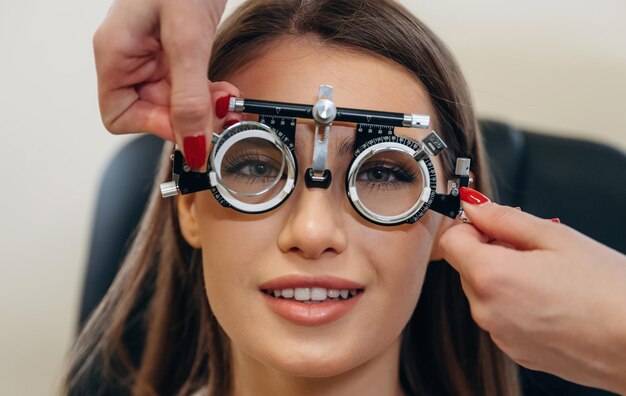
Focus and clarity depend on multiple systems working together. The optics of the eye must precisely bend light onto the retina, the tear film must remain stable to prevent fluctuating blur, and the brain must efficiently process visual signals. In addition, sleep quality and hydration influence how resilient the ocular surface remains during long workdays. When you understand these contributors, it becomes easier to choose habits that directly improve clarity rather than simply pushing through discomfort.
Consistent Exams Improve Focused Vision
Routine eye exams are central to maintaining consistent focus. They help identify refractive errors such as myopia, hyperopia, and astigmatism, along with binocular vision issues that can quietly undermine concentration. A comprehensive evaluation can also detect early changes associated with conditions that blur vision gradually, including cataracts, glaucoma, and retinal disorders. In cities with robust ophthalmic services, many patients also prefer consultation with a cataract specialist in Vadodara when symptoms suggest lens-related blur, because targeted assessment can clarify whether lifestyle adjustments, updated glasses, or procedural care is most appropriate.
Daily Habits Keep Vision Comfortable
A stable tear film is essential for crisp vision. Dryness can cause fluctuating blur that appears worse during reading, laptop work, or driving, exactly when sustained focus is needed. Staying hydrated, limiting direct airflow to the face, and using lubricating drops when needed can make a noticeable difference. Good eyelid hygiene also supports the oil glands along the lid margins, improving tear stability and reducing burning or gritty sensations.
Screen Strategies Strengthen Focus Clarity
Digital eye strain is common, but it is not inevitable. Screens demand constant near focusing, reduced blinking, and prolonged exposure to high-contrast text. Over time, this can create a cycle of dryness, headaches, and attention dips.
Ergonomics that reduce visual load
Position the screen slightly below eye level, keep a comfortable viewing distance, and increase font size to avoid squinting. Reducing glare with proper lighting or an anti-glare filter can also prevent subtle strain that disrupts clarity.
Break patterns that sustain concentration
Short, frequent breaks help the focusing system relax and restore tear stability. Looking into the distance periodically reduces the locked-in near focus that contributes to fatigue.
Smart device settings that support comfort
Adjust brightness to match the room, use dark mode if it feels easier on your eyes, and consider blue-light management based on personal comfort, especially in the evening, to support sleep, which indirectly affects ocular comfort and next-day focus.
Advanced Care Restores Lasting Clarity
If healthy habits and prescription updates do not restore stable clarity, it may be time to discuss specialized diagnostics and interventions. Conditions like keratoconus, chronic dry eye disease, uncorrected astigmatism, retinal changes, or binocular vision problems can require targeted care beyond standard glasses. Specialized eye treatments for better vision may include ocular surface therapies, specialty contact lenses, laser or surgical options, or tailored management plans for underlying disease. When clarity improves, focus often follows, because your brain no longer needs to compensate for inconsistent visual input.
Nutrition Supports Clearer Daily Vision
Eyes are metabolically active and rely on a steady supply of nutrient-dense foods to function optimally. Including leafy greens, colorful vegetables, fruits, nuts, and fish in your daily meals ensures you’re getting the essential nutrients for healthy eyes, supporting overall eye resilience, and helping maintain stable vision during demanding days. If you consume significant amounts of caffeine, it’s important to balance it with adequate water and monitor whether dryness symptoms increase.
Protective Care Prevents Irritation And Blur
Sunlight and environmental exposure can degrade visual comfort. UV protection is not only about long-term eye health; it can also reduce squinting and light sensitivity that interfere with concentration. Choose sunglasses labeled for full UVA and UVB protection, and consider wraparound styles in dusty or windy settings. Chronic irritation from dust or allergens can worsen redness and tearing, which paradoxically can still feel like dryness and contribute to blurred vision. A clean work area and mindful exposure reduction can keep vision steadier and more comfortable.
Precise Correction Enhances Focus Performance
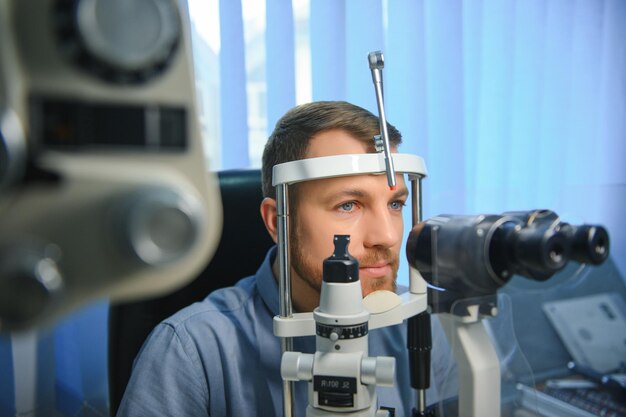
Many people wear a single prescription for every activity, but their visual demands vary widely. Someone who spends hours on a laptop, then drives at night, then reads in bed may benefit from task-specific solutions. In clinical settings, treatments for eyelid and eye disorders are often part of comprehensive care because lid health influences tear stability, comfort, and overall visual consistency. When correction and ocular surface care work together, the improvement in focus can be substantial.
Early Cataract Signs Need Attention
Cataracts often develop gradually, making changes easy to dismiss as normal aging or screen fatigue. Because the progression can be slow, people sometimes update glasses repeatedly without achieving crisp vision. For individuals weighing options, discussing expectations and timing with a cataract specialist in Vadodara can be helpful, particularly when glare or haze begins to affect driving safety, work accuracy, or reading comfort. When cataracts are the primary cause, modern procedures can significantly restore clarity, but timing and candidacy depend on overall eye health and lifestyle needs.
Conclusion
Effective eye care for better focus and clarity is built on three pillars: consistent professional evaluation, daily habits that protect the ocular surface, and timely action when symptoms persist. At the same time, routine eye exams help detect issues early, while personalized correction ensures your eyes are not overworking during demanding tasks. When blur, glare, or fluctuating vision begins to interfere with work, driving, or reading, a structured clinical approach can restore confidence and comfort.