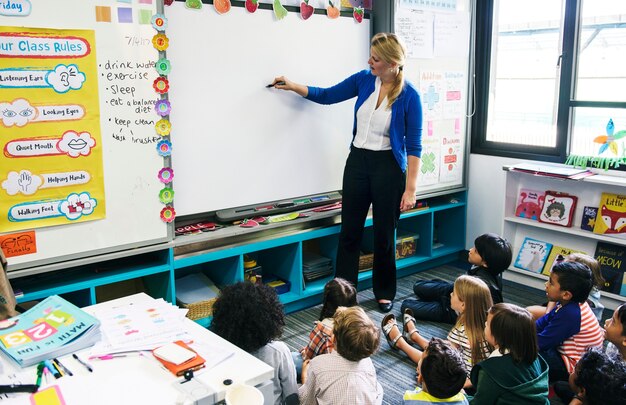

Classrooms are changing fast, not because tradition has failed, but because learners have. Students grow up navigating videos, games, collaboration tools, and instant feedback, so lessons that rely only on one-way explanation can feel distant. The most effective teaching today blends clarity with creativity, structure with experimentation, and academic rigor with real-world relevance. Innovative instruction isn’t about using flashy technology for its own sake; it’s about designing experiences that help students remember, apply, and transfer knowledge confidently. When teaching methods match how the brain learns through practice, curiosity, emotion, and reflection, results become measurable and lasting.
Learning By Doing Instead Of Watching
Passive listening has limits. When students build, test, revise, and present, they engage multiple cognitive pathways and retain more. A science concept becomes clearer when learners design a simple model, record observations, and explain patterns in their own words. In language classes, role-play and micro-presentations convert vocabulary into usable communication. Even mathematics becomes more intuitive through manipulatives, puzzles, and real-life scenarios such as budgeting or mapping distances. This hands-on approach is increasingly common in a CBSE school in Bangalore, where teachers often emphasize application-oriented tasks that turn “knowing” into “doing” without sacrificing syllabus goals.
Rotating Stations For Better Focus
Not every learner thrives at the same pace, and long, single-format periods can drain attention. Station rotation solves this by dividing a class into small groups that move through short learning segments such as guided teaching, peer practice, independent work, and quick assessments. The variety keeps energy high, and teachers can spend focused time with students who need extra guidance while others move ahead confidently. It also reduces fear of making mistakes, because practice happens in smaller, safer settings. When implemented well, station-based learning makes a room feel organized yet dynamic, with each student occupied in meaningful work.
Feedback Loops That Improve Performance
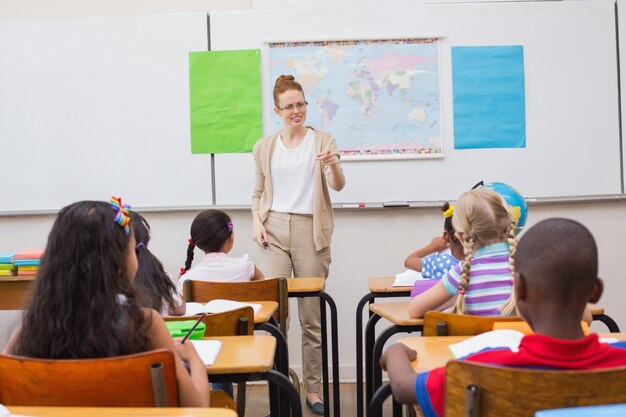
Grades alone don’t teach; feedback does. The most impactful classrooms create rapid cycles of attempt, response, adjustment, and retry. Teachers can use exit slips, short quizzes, oral checks, or one-minute reflections to identify gaps quickly. Students then receive specific guidance: what worked, what didn’t, and what to do next. This method builds trust because learners see that mistakes are stepping stones rather than verdicts. Over time, frequent low-stakes checking reduces exam anxiety and increases accuracy, since students correct misconceptions long before they solidify into habits.
Micro-Lessons With Maximum Clarity
A long lecture can overwhelm working memory. Micro-lessons break instruction into small, targeted explanations followed immediately by practice. For example, a teacher might explain a grammar structure in five minutes, then give a quick activity, then ask students to create their own sentences and share. In mathematics, a short demonstration of one technique followed by guided problems can be more effective than covering multiple methods at once. Students benefit from a predictable rhythm: explain, try, discuss, refine. This approach also supports revision, because bite-sized content is easier to revisit and master.
Projects That Feel Like Real Life
Project-based learning is powerful when projects are authentic and purposeful. Instead of completing an assignment only for a grade, students create something that answers a real question or solves a real need. They might design a campaign for water conservation, build a simple app prototype, create a historical documentary, or craft a business pitch based on local data. Along the way, they learn research, teamwork, critical thinking, planning, and communication. These tasks often shape a perfect learning journey because learners see how subjects connect, and they develop pride in outcomes that have meaning beyond the classroom.
Collaborative Structures That Prevent “Free Riders”
Group work fails when responsibilities are unclear. Innovative teaching uses tight collaboration structures so every student contributes. Techniques such as assigning roles (researcher, writer, presenter, checker), using shared rubrics, and requiring individual reflections keep participation fair. “Think–pair–share” helps shy students rehearse ideas before speaking publicly. Peer teaching can also be built into lessons, where students explain a concept to a partner using a checklist. These methods grow confidence and build social learning skills, while teachers gain a clearer view of who understands what.
Technology Used As A Learning Partner
Digital tools are most effective when they support thinking, not just convenience. Interactive simulations let learners explore concepts that are hard to visualize, like chemical reactions or planetary motion. Adaptive practice platforms can adjust difficulty based on performance, allowing each student to progress steadily. Collaborative documents encourage editing, commenting, and shared creation, making writing a process rather than a one-time submission. Used thoughtfully, technology also helps teachers gather evidence of learning quickly and provide targeted support without waiting for major exams.
Memory Techniques That Actually Stick
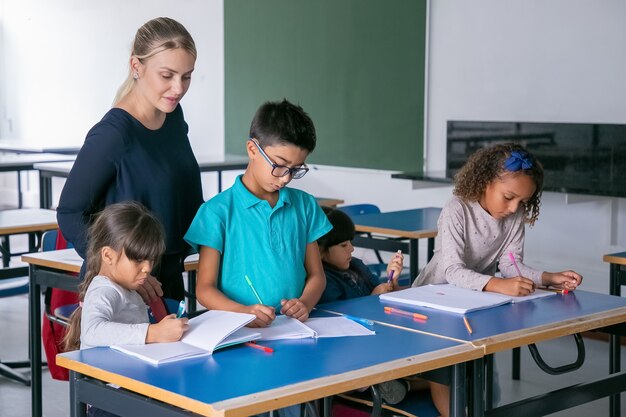
Retention improves when students learn how to learn. Spaced repetition, retrieval practice, and interleaving help knowledge last longer than last-minute cramming. Instead of rereading notes, students can recall key points from memory, check accuracy, and repeat over time. Teachers can model this through quick recap questions, mixed-problem sets, and weekly review spirals. A short study tips routine, taught consistently like making flashcards that demand recall or writing brief summaries from memory, can transform revision habits and reduce stress during assessments.
Assessment That Guides, Not Punishes
Modern assessment emphasizes growth. Alongside traditional tests, teachers can use portfolios, oral explanations, demonstrations, peer reviews, and self-assessments. Rubrics make expectations transparent so students know what quality looks like before they begin. Reflection prompts help learners identify strengths, weaknesses, and next steps. When assessment is treated as information rather than judgment, students take more academic risks, ask better questions, and recover faster from setbacks. The outcome is stronger performance and healthier motivation, both of which matter for long-term success.
Conclusion
Innovative teaching works when it is intentional: clear goals, well-chosen methods, and consistent reflection. Whether the strategy involves hands-on tasks, short focused instruction, meaningful projects, smart collaboration, or better feedback, the purpose remains the same, helping students understand deeply and perform confidently. The best classrooms don’t chase trends; they select approaches that respect attention spans, support different learning needs, and build real competence over time. When teachers keep students active, curious, and supported, results follow naturally, and learning becomes something students do rather than something that merely happens to them.